
Call: 08045476578
 Send Inquiry
 Send Inquiry
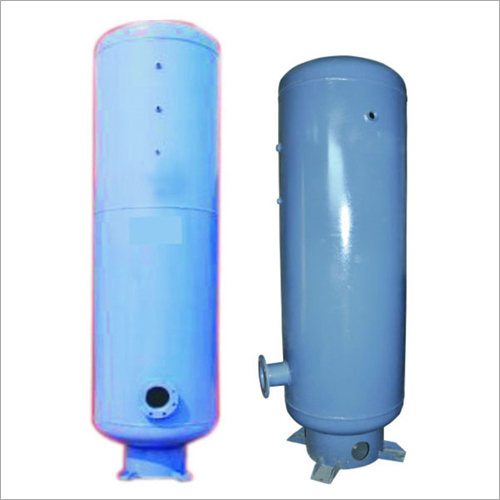
Vertical Air Receiver Tank
Price 35000 INR/ Unit
MOQ : 1 Unit
Vertical Air Receiver Tank Specification
- Air Discharge
- Top Outlet, Size Varies
- Noise Level
- Silent, does not generate noise
- Usage
- Industrial
- Condition
- New
- Material
- Mild Steel
- Power Source
- Air Compressor System
- Product Type
- 500L Vertical Air Receiver Tank
- Color
- Blue
- Dimensions
- Diameter 600 mm x Height 2000 mm (Varies with capacity)
- Configuration
- Vertical
- Mute
- No
- Air Flow Capacity
- Up to 1500 CFM
- Driven Method
- Stationary, No Drive
- Working Presssure
- 8-12 Bar
- Color
- Industrial Blue (Standard)
- Mounting Type
- Foot Mounted
- Tank Orientation
- Vertical
- Surface Finish
- Powder Coated
- Corrosion Protection
- Yes
- Design Standard
- IS:2825/ASME Sec VIII Div 1
- Drain Valve
- Manual or Automatic Option
- Inlet/Outlet Size
- 1 to 4 Inch (Threaded/Flanged, as per requirement)
- Tank Capacity
- 500 to 5000 Liters (Available in different capacities)
- Inner Coating
- Anti-corrosive Epoxy Coating (on request)
- Inspection Manhole
- Provided (for tanks above 1000L)
- Gross Weight
- Approx. 180-900 kg depending on capacity
- Test Pressure
- 50% over working pressure
Vertical Air Receiver Tank Trade Information
- Minimum Order Quantity
- 1 Unit
- Supply Ability
- 10 Units Per Week
- Delivery Time
- 1 Week
About Vertical Air Receiver Tank
We have brought the 500l vertical air receiver tank for the customers. The tank looks vertical in look. It is used in the compressed air systems. The tank is also waterproof in nature. The tank eliminates the water because the air is precipitated. The machine is demanded in the industrial sector. The tank is notably resistant to water or moisture. The 500lvertical air receiver tank is durable and can be utilized for years. The quality and resilient surface makes it an excellent choice.
Reliable Storage for Industrial Air Systems
Our Vertical Air Receiver Tanks efficiently store compressed air, supporting steady air supply and improving energy management in diverse industrial operations. Available in capacities from 500 up to 5000 liters, they suit processes requiring consistent pressure and storage flexibility. The tanks are designed for stationary use and function seamlessly with existing air compressor systems. Their vertical configuration saves valuable floor space, making them ideal for crowded industrial environments.
Corrosion Protection and Longevity
Each tank is equipped with a high-quality powder-coated exterior, safeguarding it against harsh industrial environments. On request, an anti-corrosive epoxy inner coating adds extra protection against moisture and contaminants present in compressed air. These features significantly extend the tank's lifespan and reduce maintenance needs, ensuring reliability over years of service.
Flexible Customization for Industry Needs
Adaptable to various setups, these tanks come with threaded or flanged inlet/outlet options from 1 to 4 inches and both manual or automatic drain valves to match specific installation requirements. For added safety and convenience, tanks above 1000 liters include a manhole for internal inspection. Custom coatings and mount types are also available on request to optimize performance for unique industrial applications.
FAQ's of Vertical Air Receiver Tank:
Q: How do I select the appropriate capacity for a vertical air receiver tank?
A: The right capacity depends on your air compressor's flow rate and the compressed air usage patterns in your facility. Consider selecting a tank that matches your compressor's maximum output (up to 1500 CFM) and allows for short-term peaks in demand. Consult with a supplier or manufacturer for capacity recommendations based on your specific usage.Q: What benefits does the anti-corrosive epoxy inner coating provide?
A: The anti-corrosive epoxy inner coating, available on request, protects the tank from internal rust and corrosion. This extends the tank's service life and maintains clean, contaminant-free compressed air, which is essential for safeguarding downstream equipment in industrial processes.Q: When is the inspection manhole provided, and what is its purpose?
A: The inspection manhole is provided on tanks with capacities above 1000 liters. It allows for easy internal inspection, cleaning, and maintenance, helping to ensure ongoing safety and optimal tank performance.Q: Where should the vertical air receiver tank be installed within an industrial facility?
A: The tanks are designed for stationary, vertical installation with foot mounting. They should be placed on a level, stable surface near the air compressor system for efficient air flow and easy access for inspection and maintenance. Ensure there is adequate clearance for inspection if the tank is fitted with a manhole.Q: What is the process for maintaining the air receiver tank?
A: Regular maintenance includes checking the operating pressure, inspecting for external or internal corrosion (especially if uncoated inside), draining accumulated water via the manual or automatic valve, and conducting scheduled internal inspections using the manhole if applicable.Q: How does the tank contribute to a silent working environment?
A: These air receiver tanks operate without internal moving parts or drives, resulting in completely silent performance. This makes them suitable for environments where noise control is critical.Q: What are the usage benefits of the vertical configuration and corrosion protection?
A: The vertical design saves space in industrial areas, making installation more flexible. Corrosion protection from powder coating (and optional epoxy lining) ensures structural integrity over time, reducing the risk of air quality issues and minimizing maintenance costs.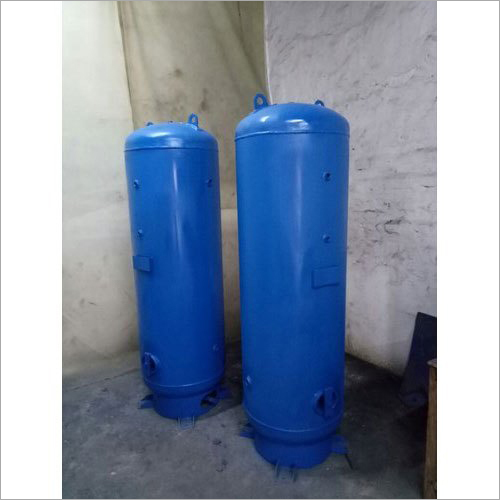
Tell us about your requirement

Price:
Quantity
Select Unit
- 50
- 100
- 200
- 250
- 500
- 1000+
Additional detail
Mobile number
Email

More Products in Air Receiver Tank Category
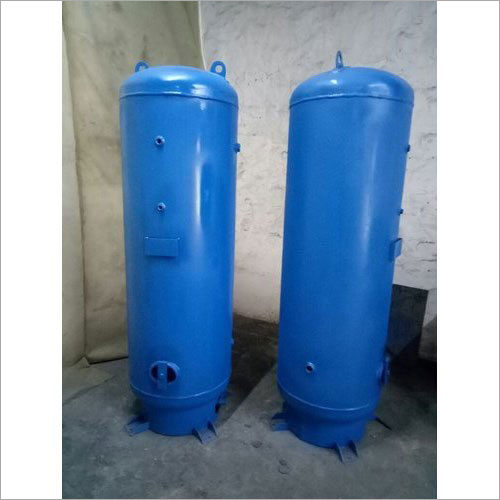
1000 L Vertical Air Receiver Tank
Price 55000 INR / Unit
Minimum Order Quantity : 1 Unit
Material : Mild Steel
Condition : New
Usage : Industrial
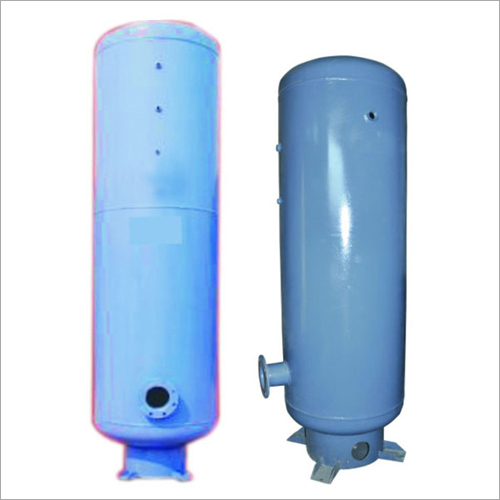
Compressed Air Receiver Tank
Price 50000 INR / Unit
Minimum Order Quantity : 1 Unit
Material : Metal
Condition : New
Usage : Industrial
Warranty : 1 Year
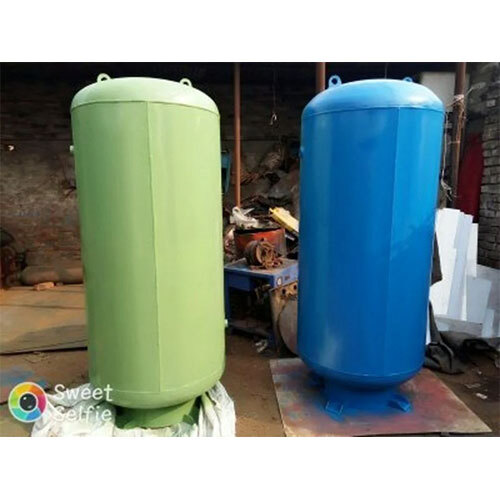
1000 Litre Air Receiver Tank
Price 27000 INR / Unit
Minimum Order Quantity : 1 Unit
Material : Stainless Steel
Condition : New
Usage : Industrial
Warranty : 1 Year
Compressed Air Receiver-Tank
Price 5000 INR / Unit
Minimum Order Quantity : 1 Unit
Material : Mild Steel
Condition : New
Usage : Industrial
Warranty : 1 years

Contact Details
GST : 07AOUPJ0807J1ZP
- Plot No. 94, Ground Floor, NA PKT, 16A, Type -A, Sec-22 Rohini, Landmark Near Kirar,Delhi - 110081, India
- Phone :08045476578

 Send Inquiry
Developed and Managed by Infocom Network Private Limited.
